Beijing Stone Carving Art Museum 北京石刻艺术博物馆
Come for the pagoda and stay for the ginkgo trees and stone carvings. It’s relatively small (for Beijing) but memorable. It feels secluded from the rest of the busy Haidian district.
为古塔而来,为银杏树和石刻而流连。以北京的标准来说,这里规模不大,却令人难忘。置身其中,仿佛与海淀区其他地方的繁忙喧嚣隔开了。
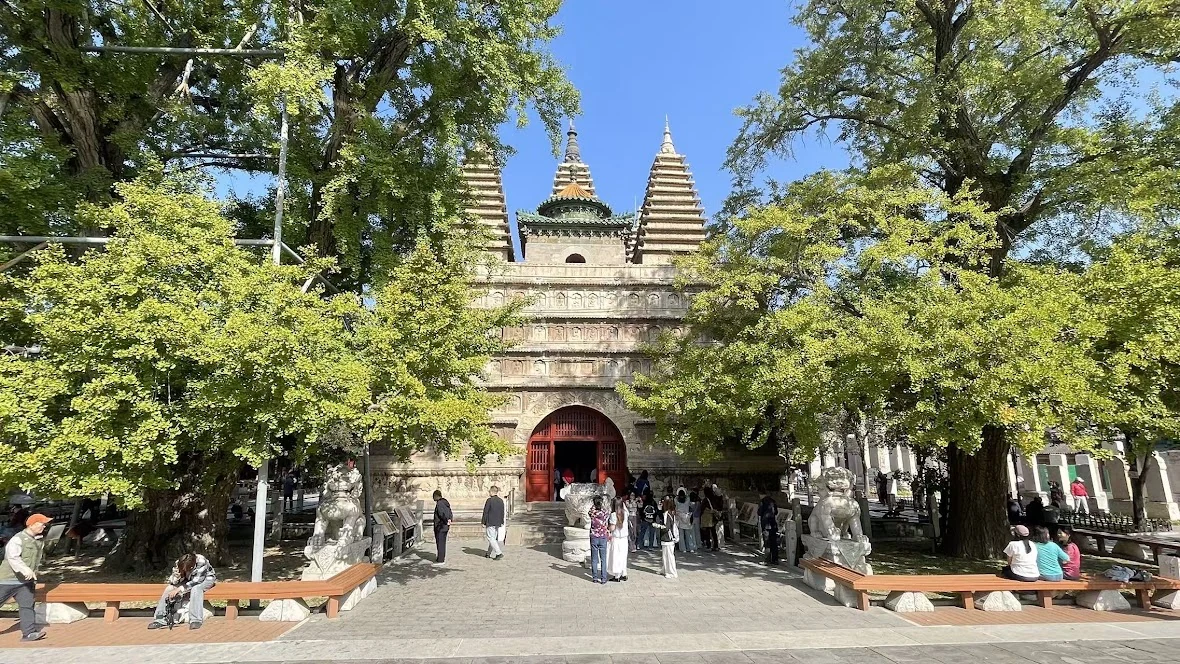 两侧银杏树映衬下的金刚宝座塔。
More visit facts更多参观信息
- Opening hours · 开放时间
- Tuesday–Sunday, 9:00 a.m.–5:00 p.m.; ticket sales and admission end at 4:30 p.m.; Closed: Mondays under the regular schedule. Holiday and summer schedules may differ; check the museum’s latest notice.
周二至周日9:00—17:00;16:30停止售票及入馆;常规开放安排为周一闭馆。节假日和暑期安排可能调整,请查看博物馆最新公告。 - Visit length · 参观时长
- Allow 1–2 hours.
建议预留1—2小时。 - Admission · 门票
- Adults ¥20; undergraduate students with valid identification ¥10. Under-18s and visitors aged 60 and over enter free with identification.
成人20元;本科生凭有效证件10元。18岁以下未成年人和60岁及以上观众凭有效证件免费参观。 - Booking · 预约
- No advance reservation required. Tickets can be bought at the museum or through its official WeChat account, Meituan, or Dianping.
无需提前预约。可在博物馆现场购票,也可通过官方微信公众号、美团或大众点评购票。 - English support · 英文支持
- Limited. English labels and introductions for many exhibits. The audio guide is available only in Chinese.
有限。许多展品配有英文说明和介绍,但语音导览仅提供中文。 - Published · 发布日期
- 16 Oct 2026 · 2026年10月16日
Beijing approaches winter like a cat coming down stairs. Three stairs down, a stair back up, then all the way down. With that as an inspiration, we decided to visit this mostly outdoor museum before the cat made it down the stairs.
北京入冬的过程,就像一只猫下楼梯。往下走三级,再退回一级,最后才一路走到底。想到这里,我们决定趁这只猫还没走到楼下,先去逛逛这家以户外展区为主的博物馆。
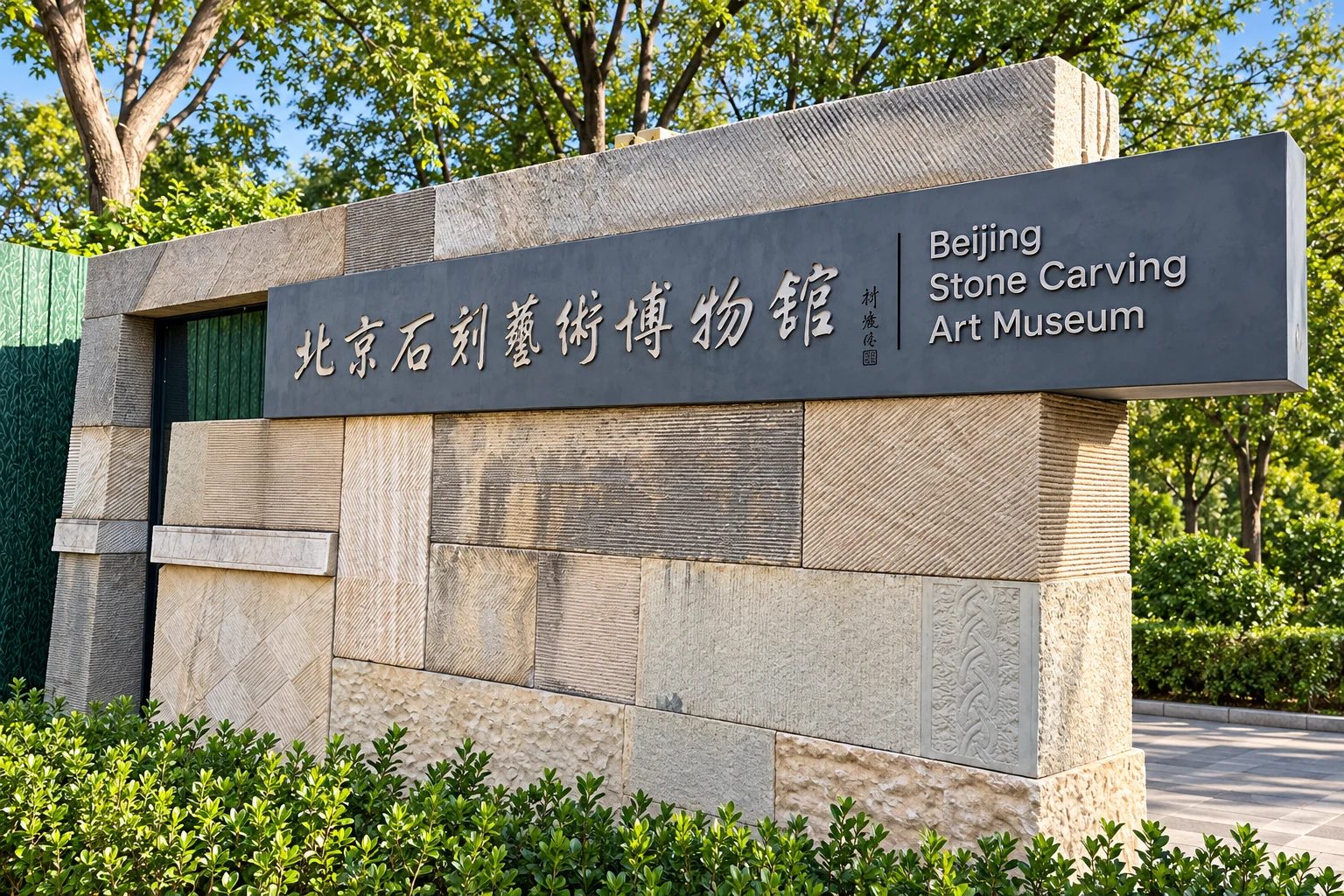
The Beijing Stone Carving Art Museum is in northwest Beijing, in the Haidian district. It is an area I know fairly well having worked for years down the road in Zhongguancun. Despite warnings that there is no nearby parking, we took a chance and drove since it was half the time compared with the subway. We decided to do a “drive by” in case there was parking and sure enough, about 200 meters west of the museum entrance there was public parking. The lot was mostly empty on this weekday and cost us 24 RMB for two hours. The museum tickets themselves were 20 RMB each.
北京石刻艺术博物馆位于北京西北部的海淀区。这一带我还算熟悉,毕竟曾在不远处的中关村工作多年。虽然有人提醒附近没有停车位,我们还是决定碰碰运气,开车过去,因为开车所需的时间只有坐地铁的一半。我们打算先从门口开过去看看,万一有地方停车呢。果然,在博物馆入口以西约200米处就有一个公共停车场。工作日的停车场大半空着,我们停了两个小时,花了24元。博物馆门票本身则是每人20元。
The museum is fairly small by Beijing standards, but it packs a punch. It is housed on the grounds of Zhenjue Temple which is most famous for the Diamond Throne Pagoda. The pagoda is stunning and well worth all the photo attention it gets. The pagoda dates back to 1473 and the ginkgo trees that flank it are about 600 years old. I felt a special kinship with the trees. And not just the 60x10.
按北京的标准,这家博物馆规模不大,却很有看头。它设在真觉寺旧址上,而真觉寺最有名的就是金刚宝座塔。这座塔确实惊艳,人们围着它拍个不停,完全可以理解。塔建于1473年,两旁的银杏树已有约600年的树龄。我对这些树感到格外亲近。而且还不只是因为那个“60×10”。
两侧银杏树映衬下的金刚宝座塔。
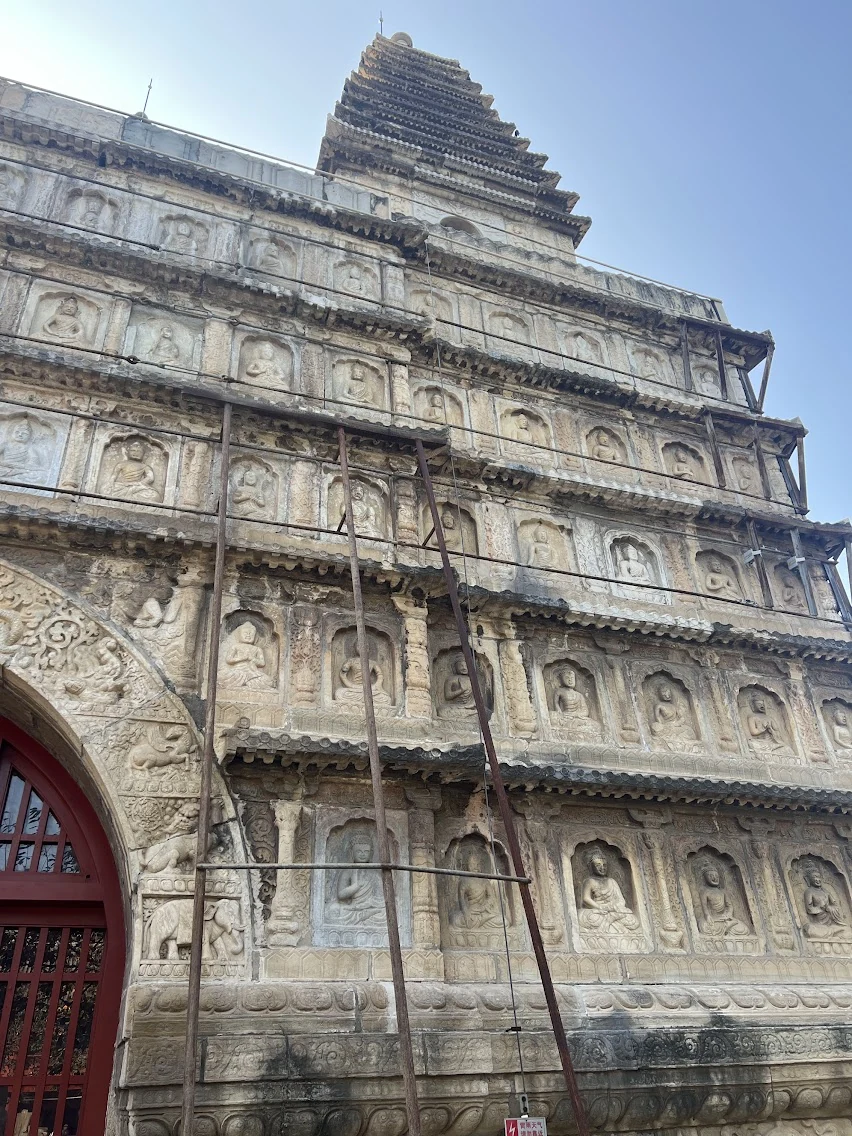
Inside the pagoda are exhibits that are interesting but the real star is the pagoda itself and the Buddha figures inside of it and on its outside wall. Notice the detail and variety of the hand gestures of the Buddha figures.
塔内的展览也有意思,但真正的主角还是塔本身,以及塔内和外壁上的佛像。仔细看看那些佛像的手势,细节丰富,各不相同。
The parts that really felt like a museum are the indoor galleries in left, right, and rear hallways. I admit, before going, I wasn’t super intrigued about a museum on stone carving. It turned out to be super intriguing. The museum’s “hook” into my mind was the stone carving tools exhibition. The craftsmanship of the tools and of people using the tools to express themselves sparked my imagination and created a feeling of kinship. A kinship in that I am doing something similar now with a keyboard. There were many exhibits of writing on stone and it helps to have someone translate for you if you don’t know Chinese. My wife helped explain the one that became my favorite, an engraving by the first Ming Emperor about what should be done with robbers and criminals. At first it seemed a bit harsh to me, but she elaborated that he was famous for reunifying China after a long period of warfare and disagreement.
真正让我有逛博物馆感觉的,是左右两侧和后方廊内的室内展厅。坦白说,来之前,我对石刻博物馆并没有多大兴趣,结果却发现它非常有意思。真正“勾住”我的,是石刻工具展。工具制作的精巧,以及人们借助这些工具表达自己的技艺,激发了我的想象,也让我产生了一种共鸣。此刻,我用键盘做的,不也是类似的事吗?馆里有不少文字石刻,如果不懂中文,有人帮忙翻译会很有帮助。我最喜欢的一件,就是妻子帮我解读的:明朝开国皇帝的一段刻文,讲的是该如何处置盗匪和罪犯。起初我觉得有些严厉,但她进一步解释说,这位皇帝以结束长期战乱和纷争、重新统一中国而闻名。
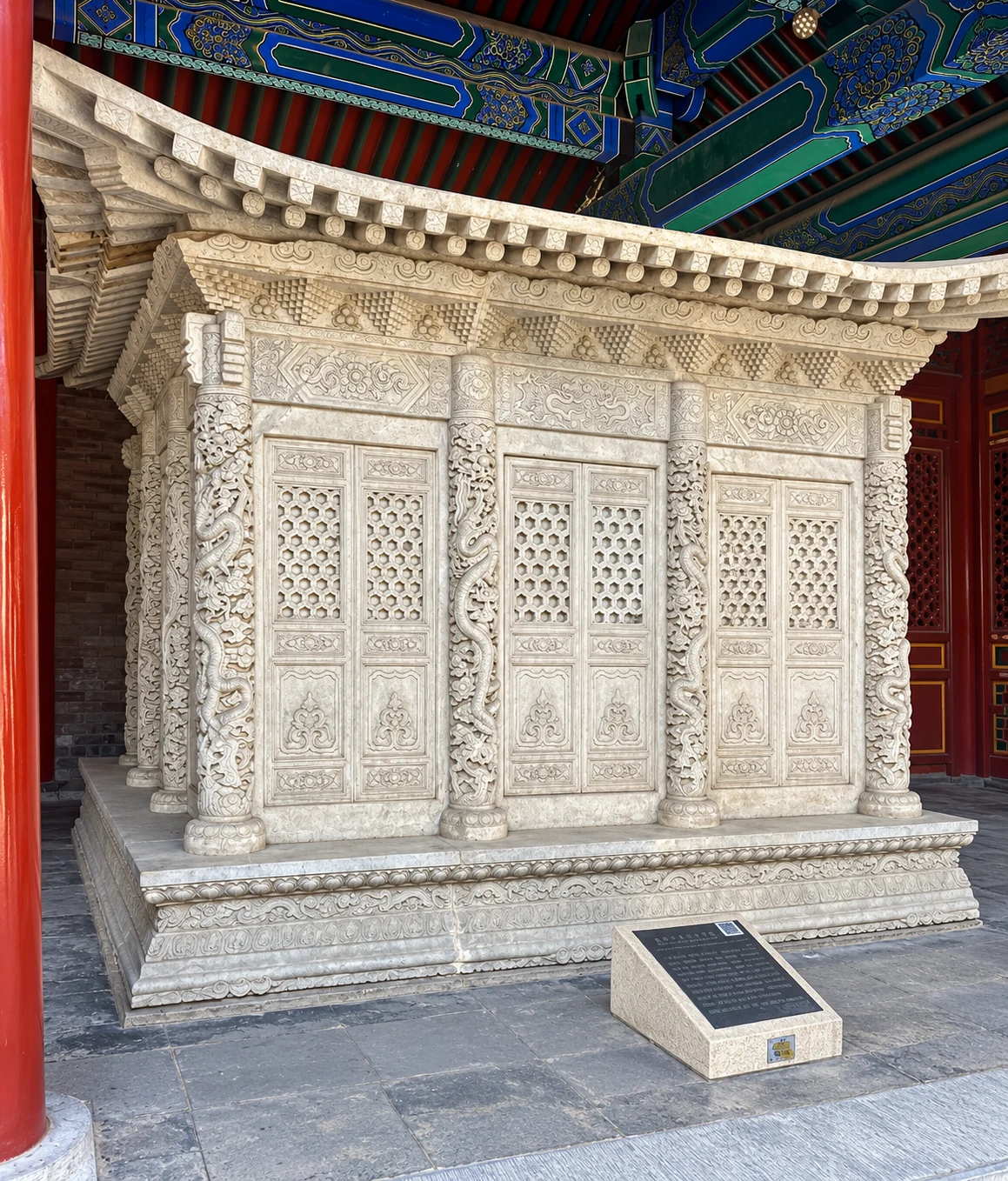
On the grounds themselves, there were many stone artifacts including tombstones. I had to find the Jesuit missionary tombstones and review the names and lifespans. I did not find the Jesuit tombstones themselves super interesting compared with the rest of the exhibits. There were more interesting tombstones and related structures, including this sacrificial hall from an early Qing dynasty tomb construction.
院内还陈列着许多石刻文物,包括墓碑。我特意去找了耶稣会传教士的墓碑,看看上面的姓名和生卒年份。与其他展品相比,我并不觉得这些耶稣会墓碑特别有趣。还有一些墓碑和墓葬相关建筑更吸引我,比如这座来自清初墓葬建筑的祭祀用享堂。
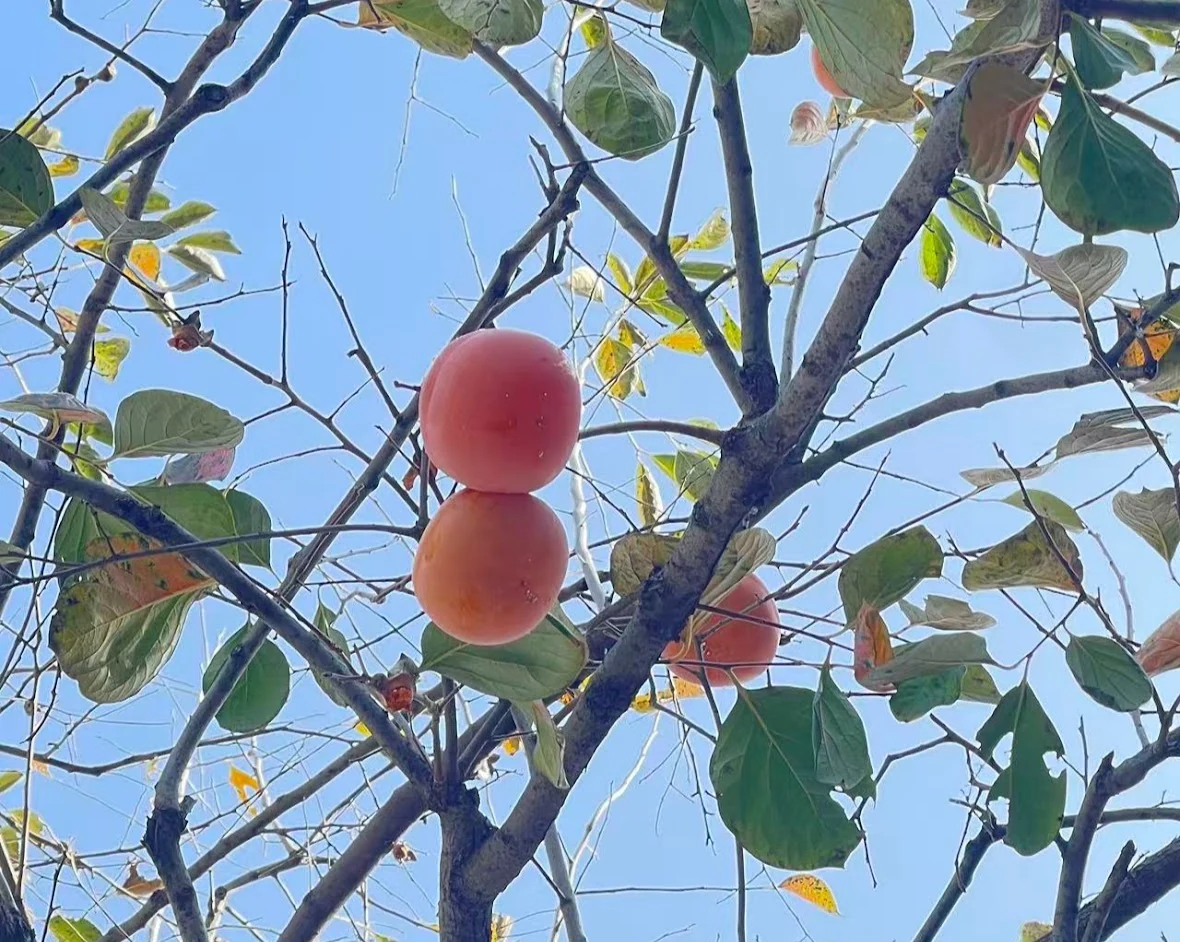
The museum grounds have persimmon fruit trees, which I would have mostly ignored except for the attention they drew. My wife pointed them out at least three times and whenever we got close to a tree invariably there would be someone looking up and taking a photo.
博物馆院里还种着柿子树。要不是它们引来了那么多关注,我大概不会怎么留意。妻子至少指给我看了三次,而每当我们走近一棵树,总会有人正仰头看着、拍着照。
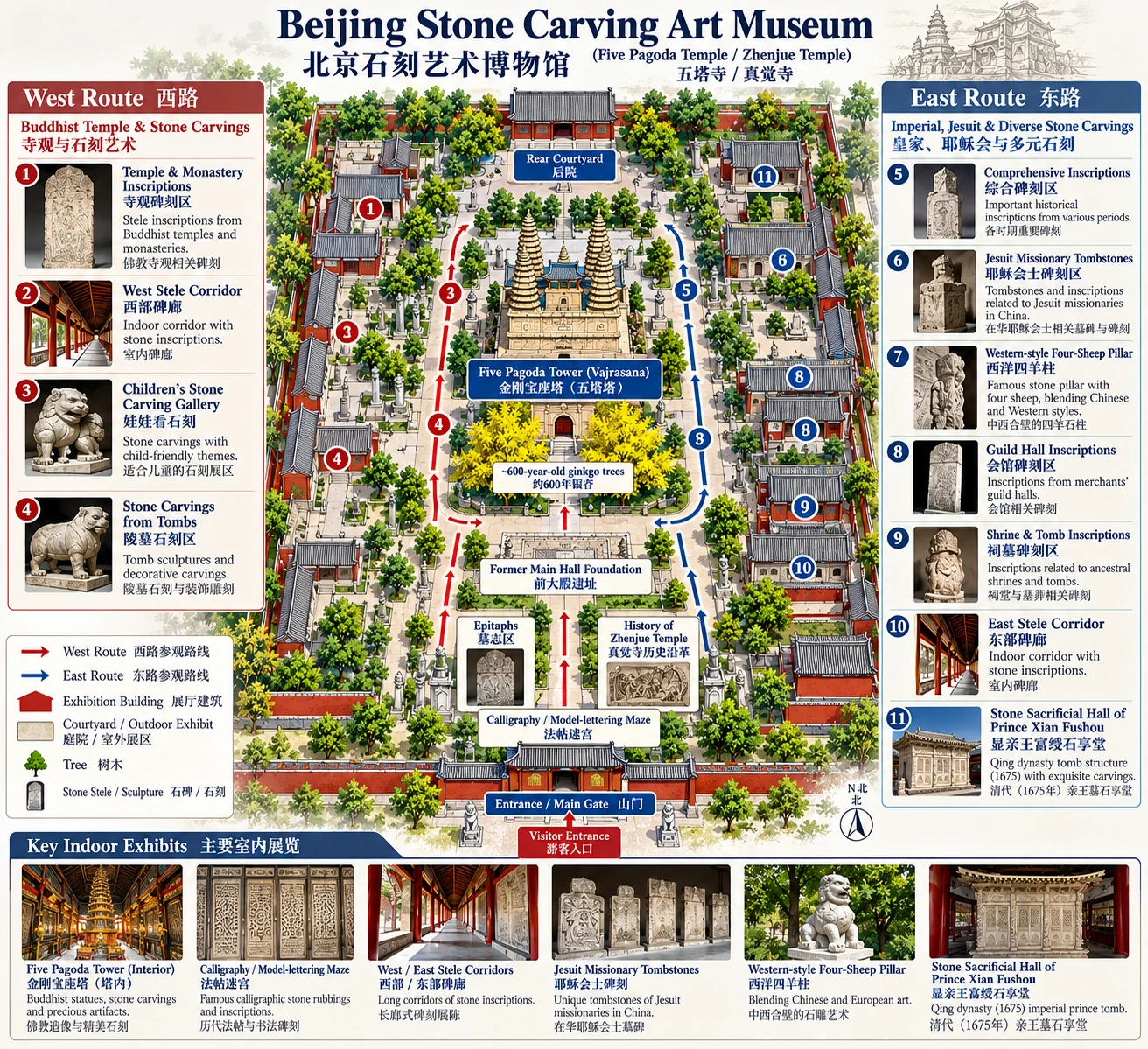
Here’s an AI generated map which is fairly accurate based on our visit.
下面是一张AI生成的地图。根据我们这次参观的体验来看,它还算准确。
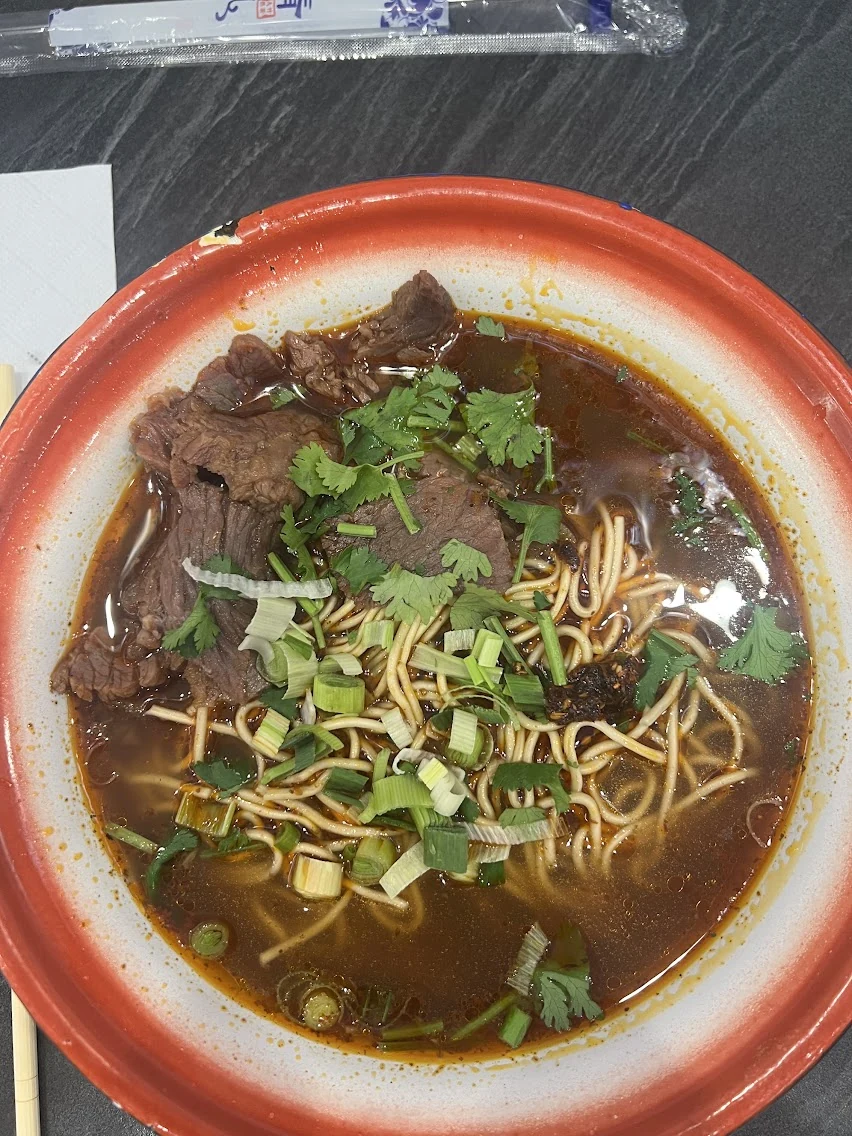
After we visited the museum we walked a few hundred meters to the main road, Zhongguancun South Street. Past the subway station and along a row of small shops, we spotted a restaurant serving my wife’s hometown Xiangyang beef noodles. I could not resist. They were not as good as what we can get in her hometown. In particular, the beef strips were not great but the noodles and soup were excellent.
逛完博物馆,我们走了几百米,来到主干道中关村南大街。过了地铁站,沿着一排小店走,我们发现一家卖妻子家乡襄阳牛肉面的餐馆。我实在忍不住想吃一碗。味道比不上我们在她老家能吃到的,尤其是牛肉条不太出色,不过面条和汤都很不错。
As we got into our car, the temperature reached 25c (77F). Winter is coming but not today.
等我们坐进车里时,气温已经升到了25摄氏度(77华氏度)。冬天就要来了,但不是今天。
Additional Sources and Further Reading
- Beijing Stone Carving Art Museum — museum profile and exhibitions (Beijing Municipal Government)
- Diamond Throne Pagoda at Zhenjue Temple — history and 1473 completion date (Haidian District Government)
- Stone Offering Hall of Prince Xian, Fushou — collection entry (Beijing Stone Carving Art Museum)
- Golden Spectacle: Ancient Ginkgo Trees Now at Their Best — Wuta Temple trees and walking directions (Beijing Municipal Government, November 6, 2025)
- Regular Opening Hours and Monday Closures — museum notice (August 28, 2024)
- National Day and Mid-Autumn Holiday Opening Notice — admission prices and no-reservation policy (museum notice, September 2025)
- Beijing MTR Line 16 — National Library Station and route information
- Nanchang River Walking Route — nearby cultural sites and parks (Beijing Municipal Sports Bureau)
- Purple Bamboo Park — park profile (Beijing Municipal Government)